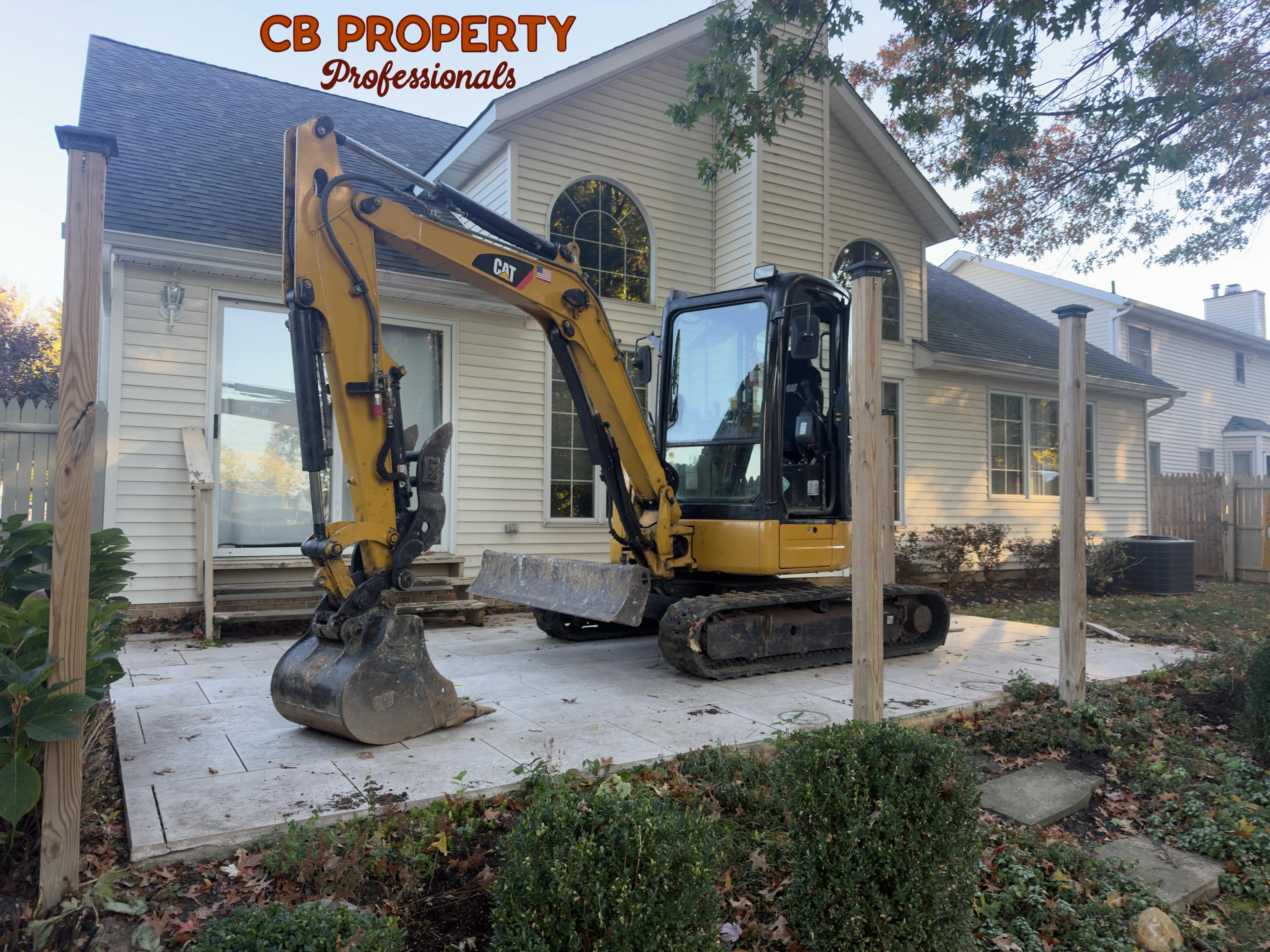
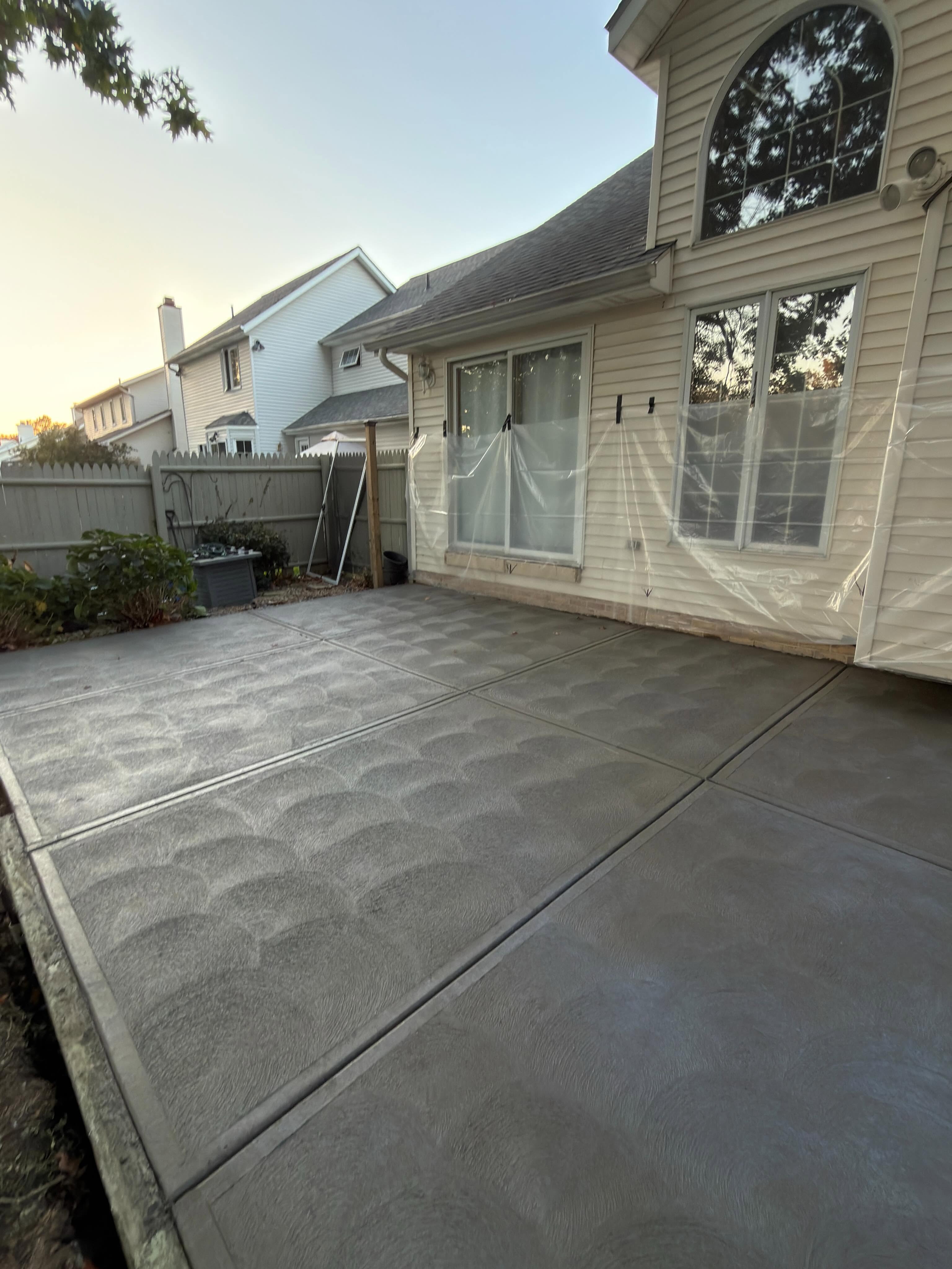
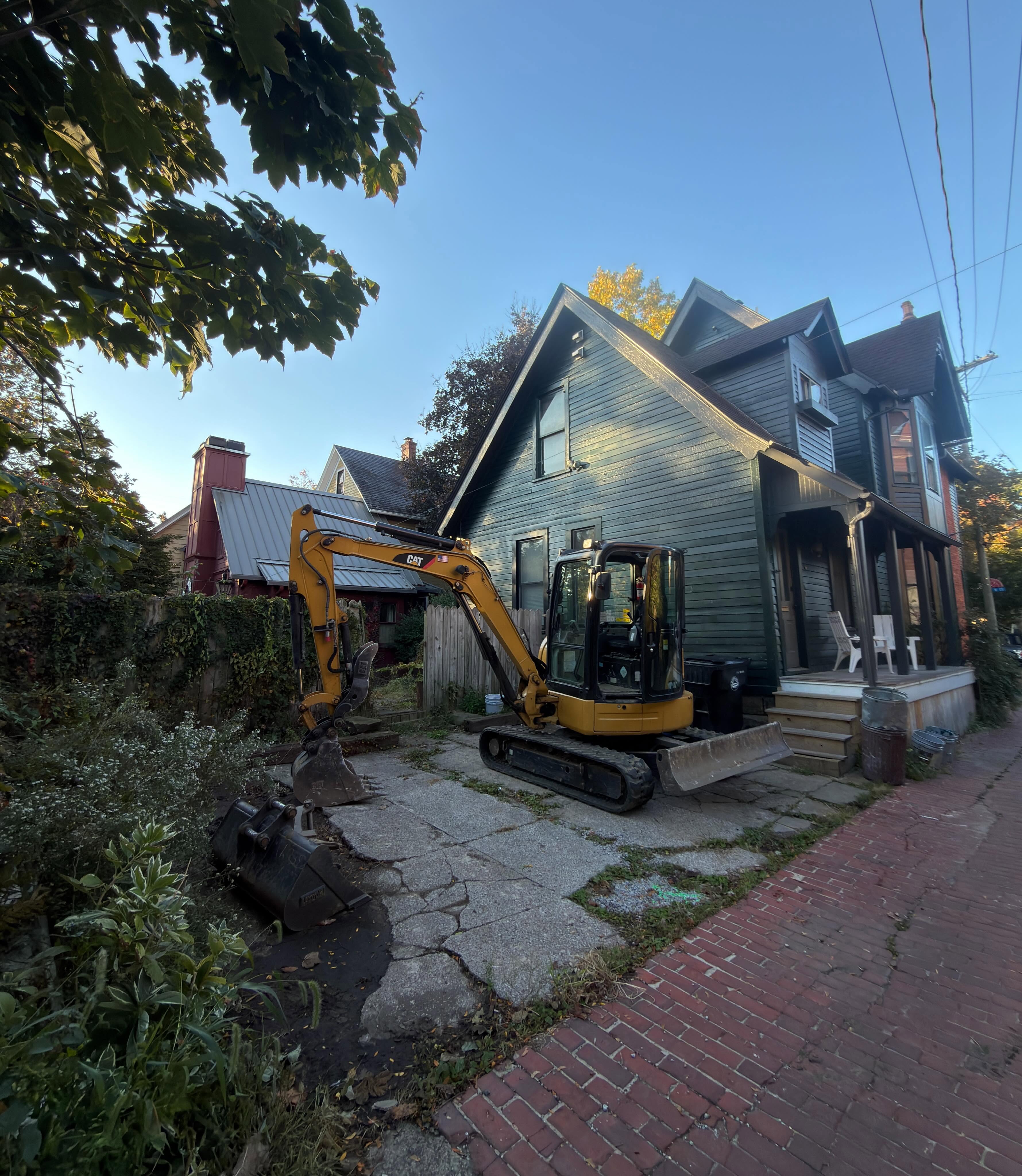
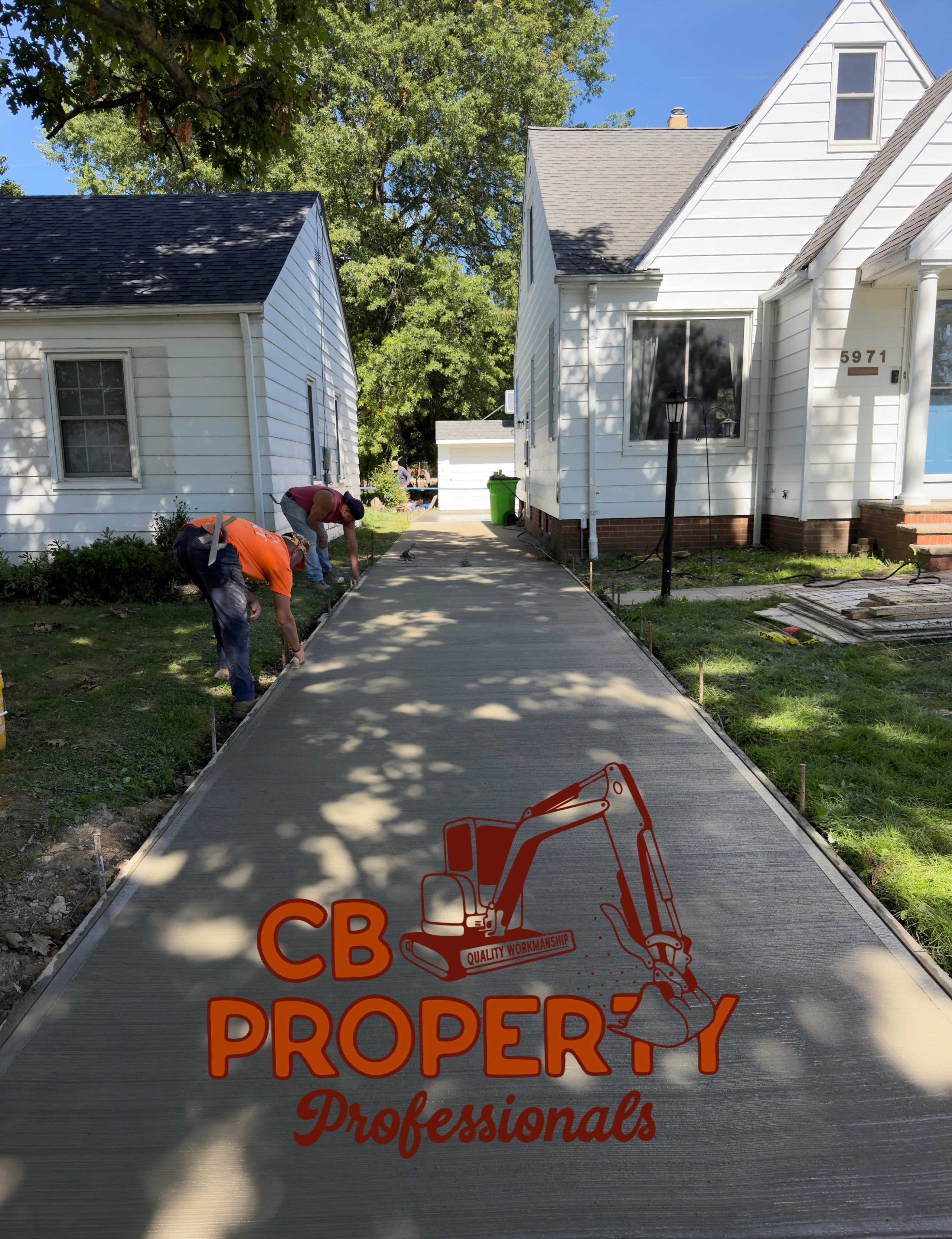
On the job
Featured projects.
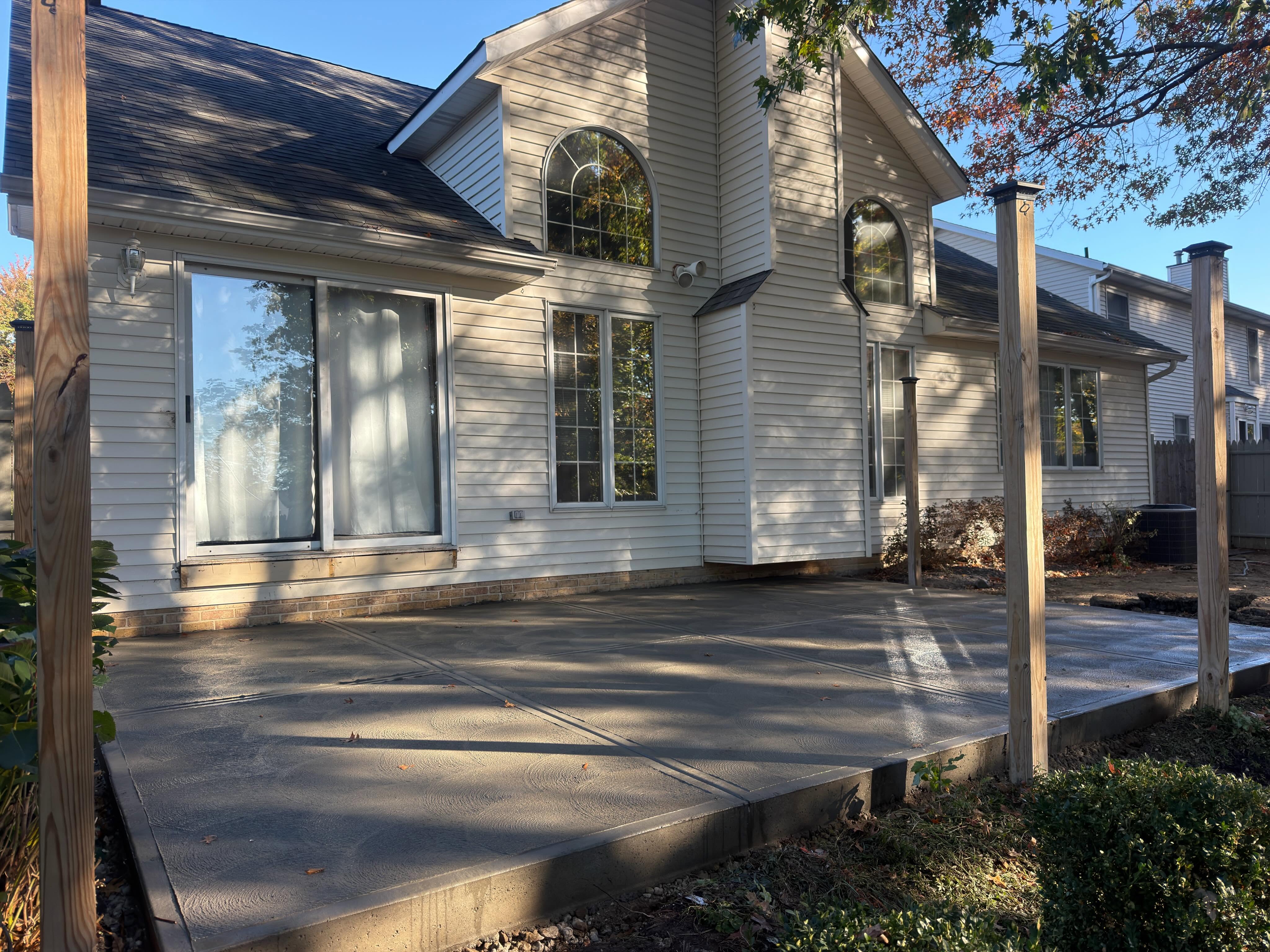
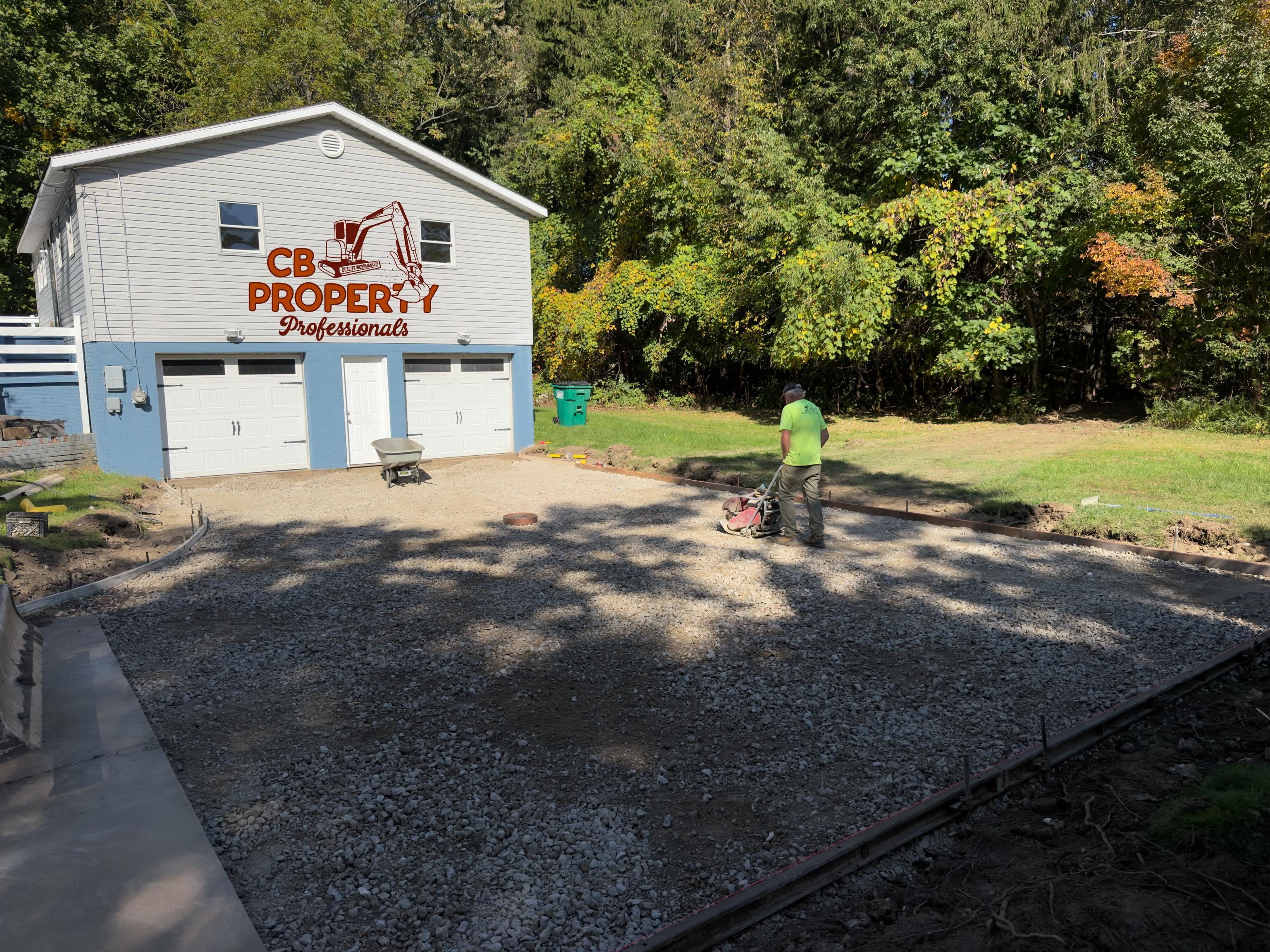
A friendly place to start
Let's explore
your ideas.
Share what you have in mind
Bring us your ideas, questions, or concerns—even if you're still working out the details.
Talk through the possibilities
A conversation about your property and access can help us understand what might suit your project.
Find your next step
When you're ready, we can discuss availability and what an estimate would involve.
Based in Mentor, Ohio
Let's talk about your plans.
Have a project in mind in or around Mentor? We'd love to hear about it and see whether we can help.
Tell us about your projectLoading map.
Wondering about your location? Get in touch and we can talk through availability for your address.
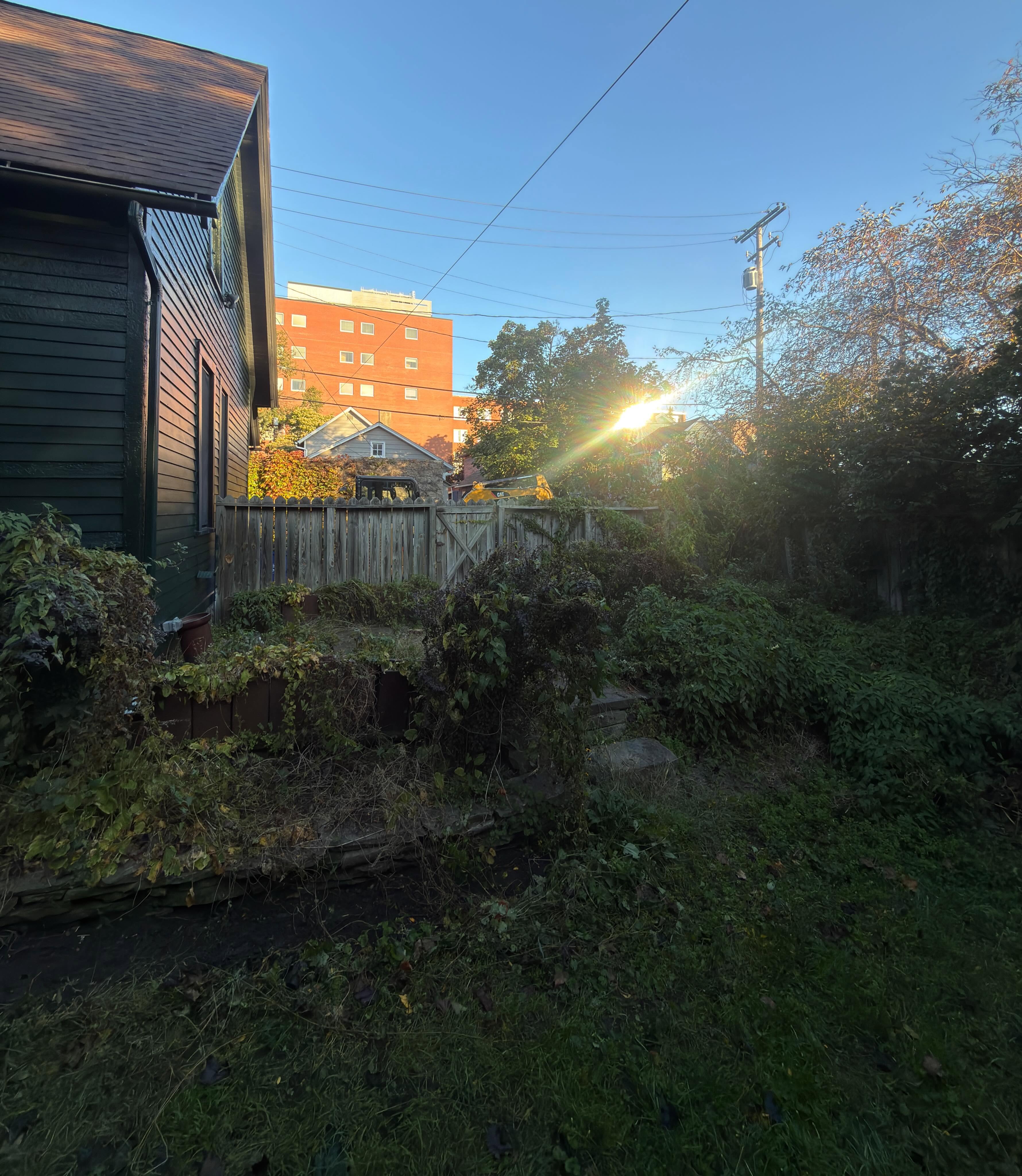
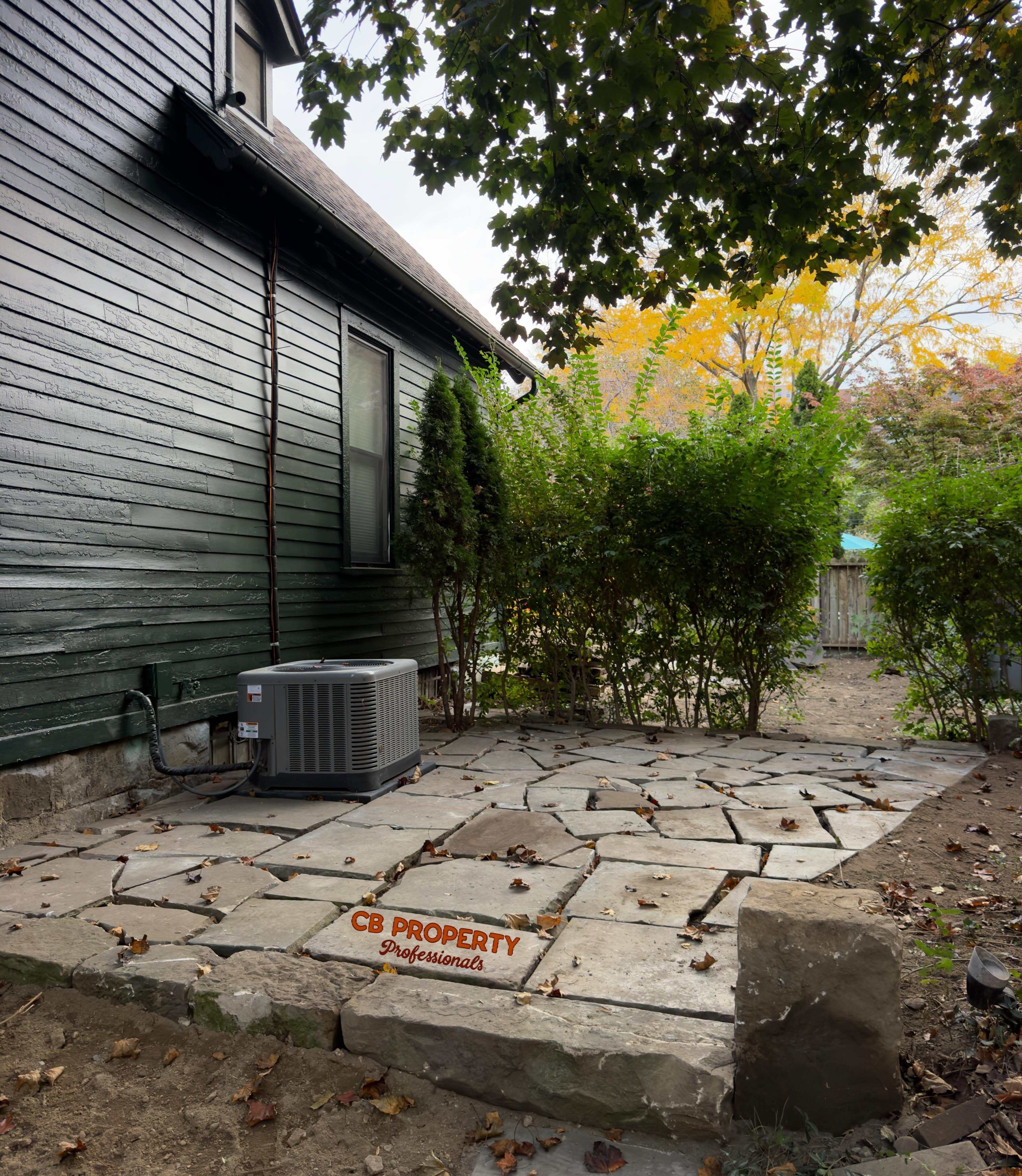
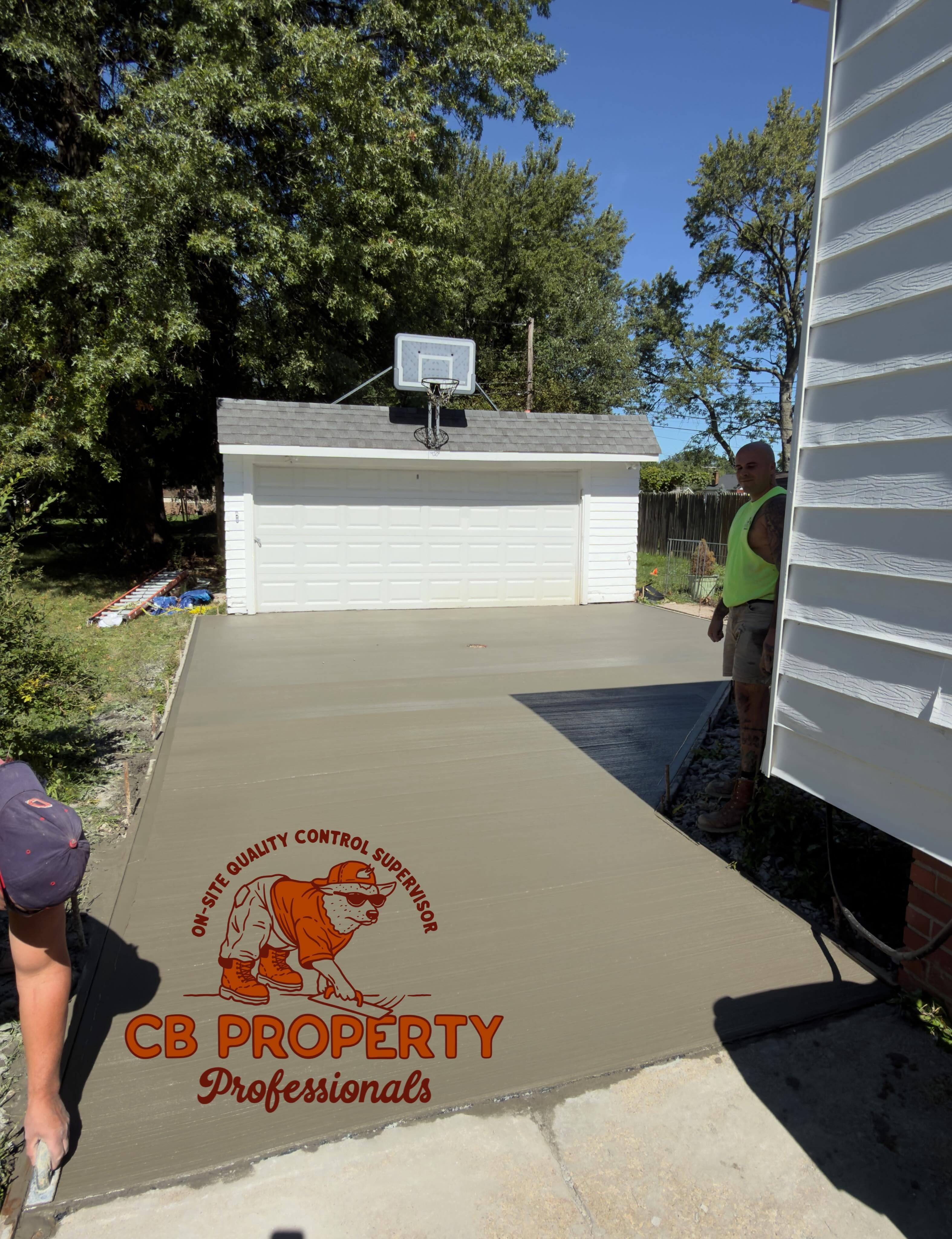
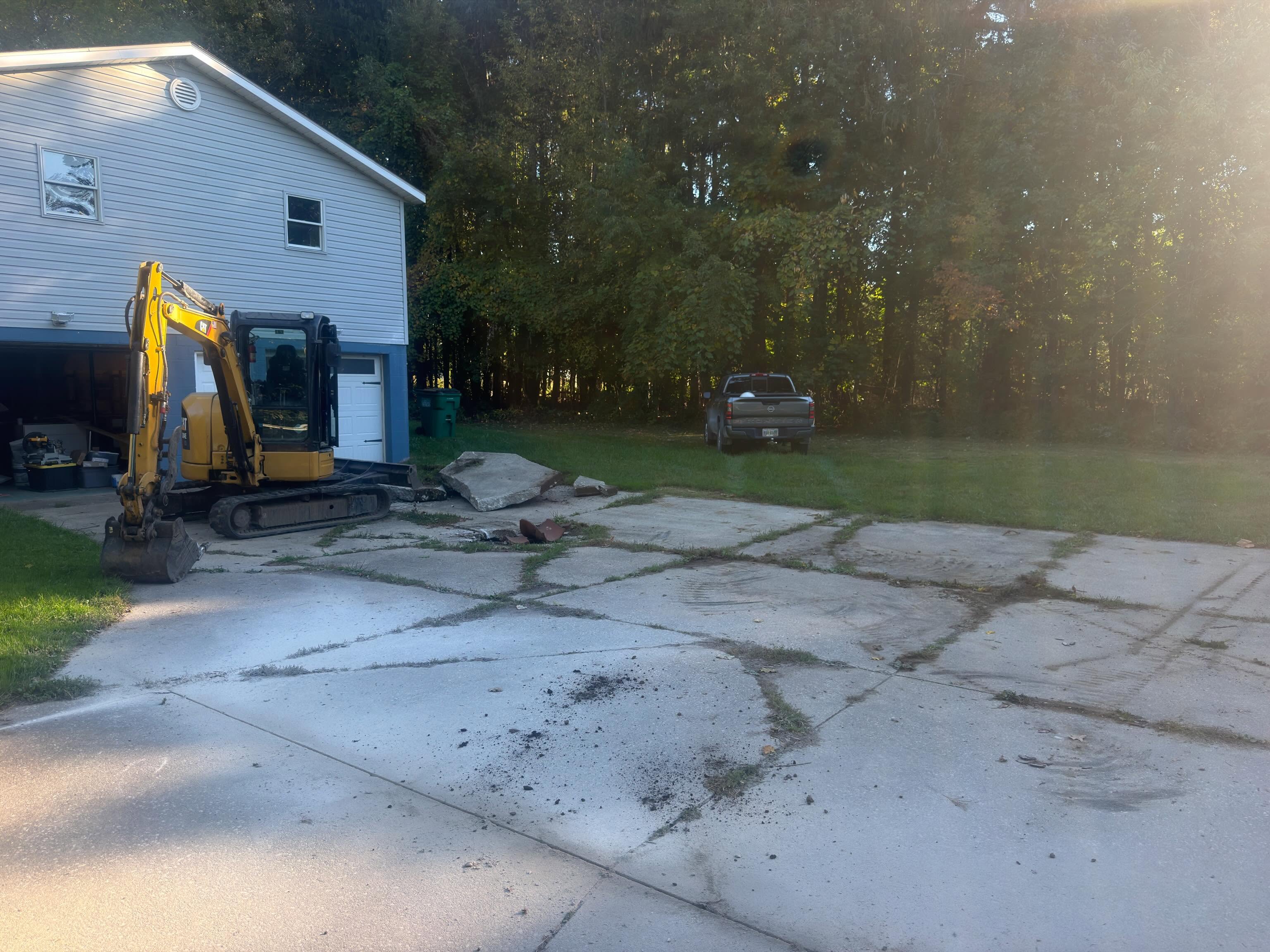

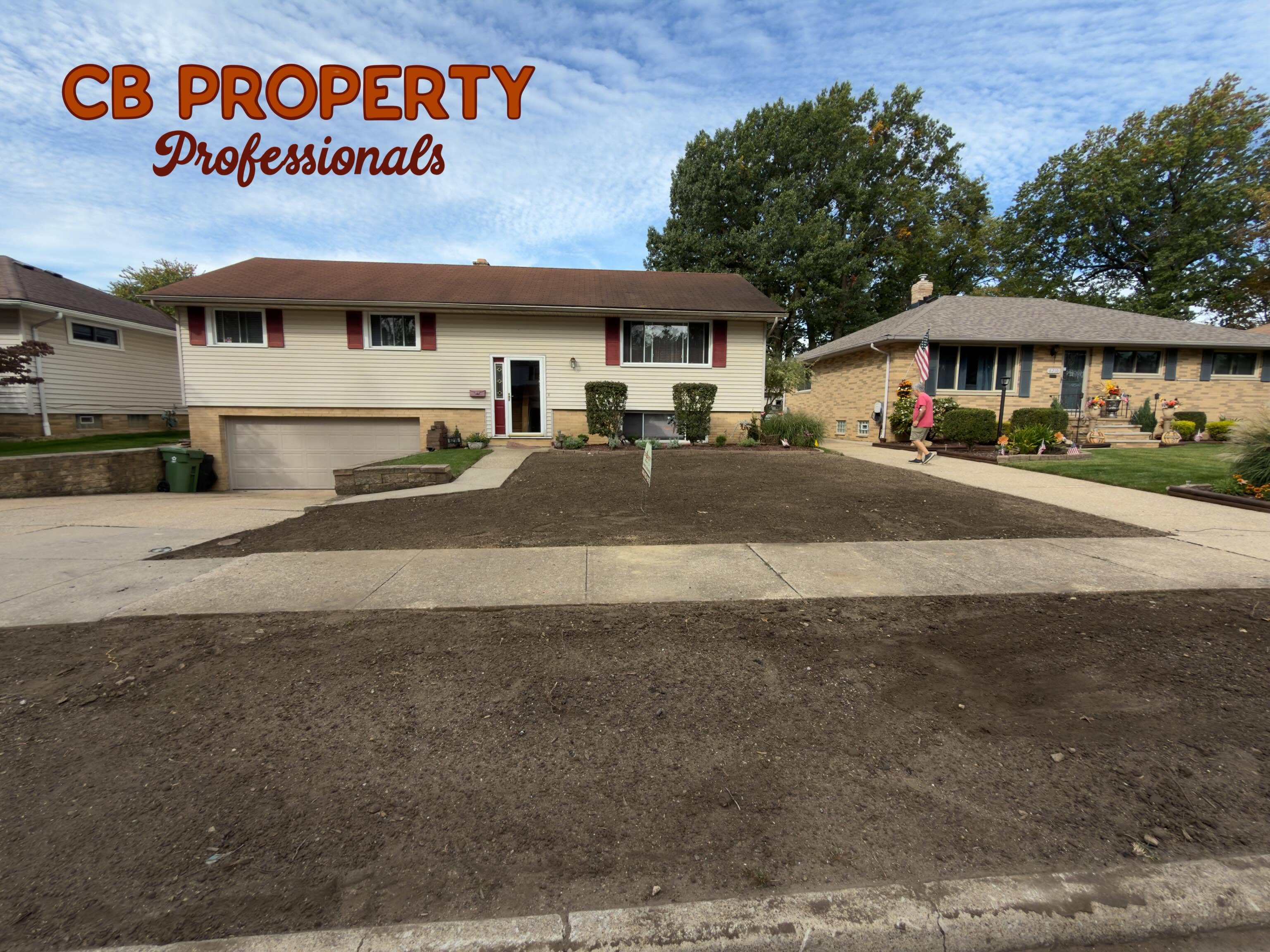
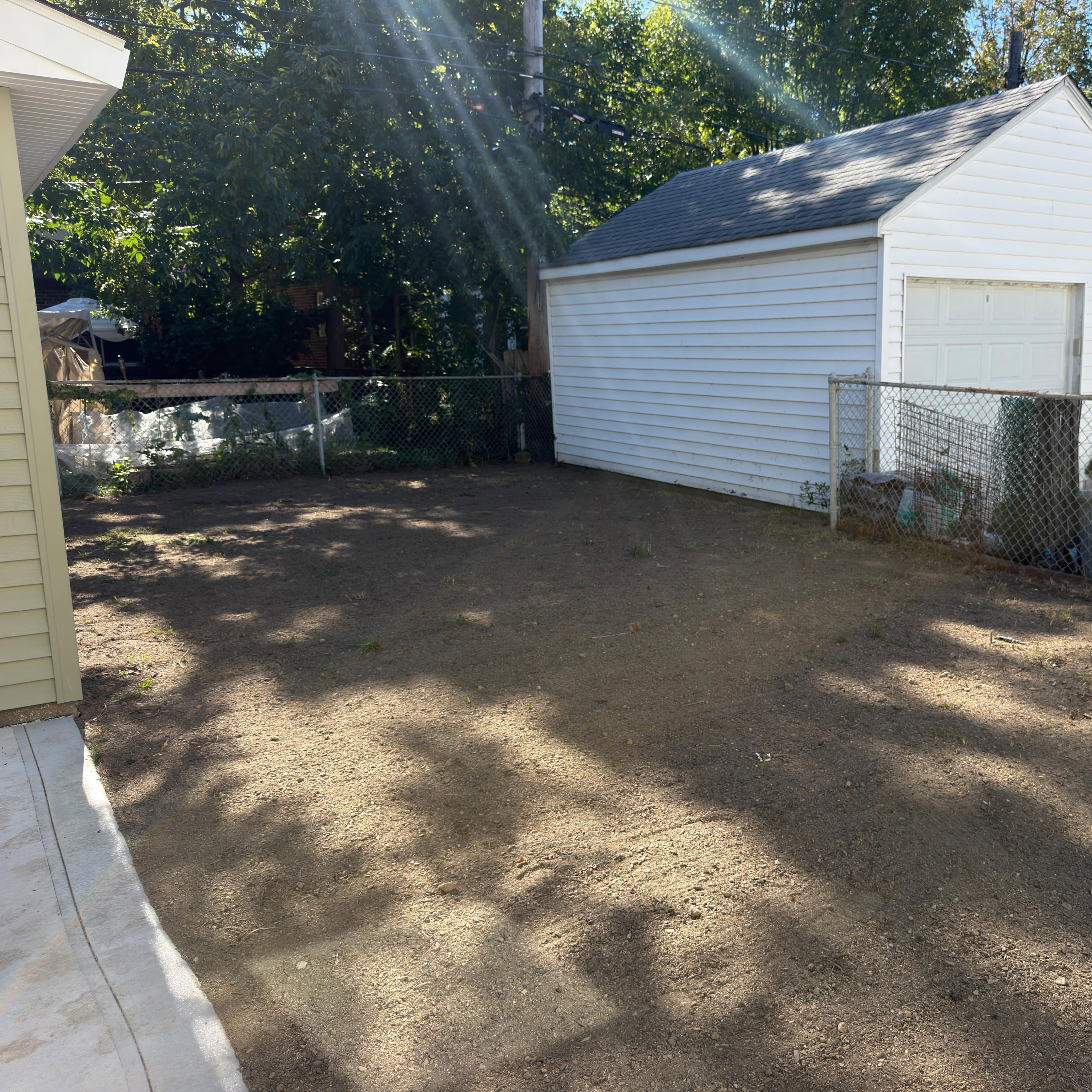
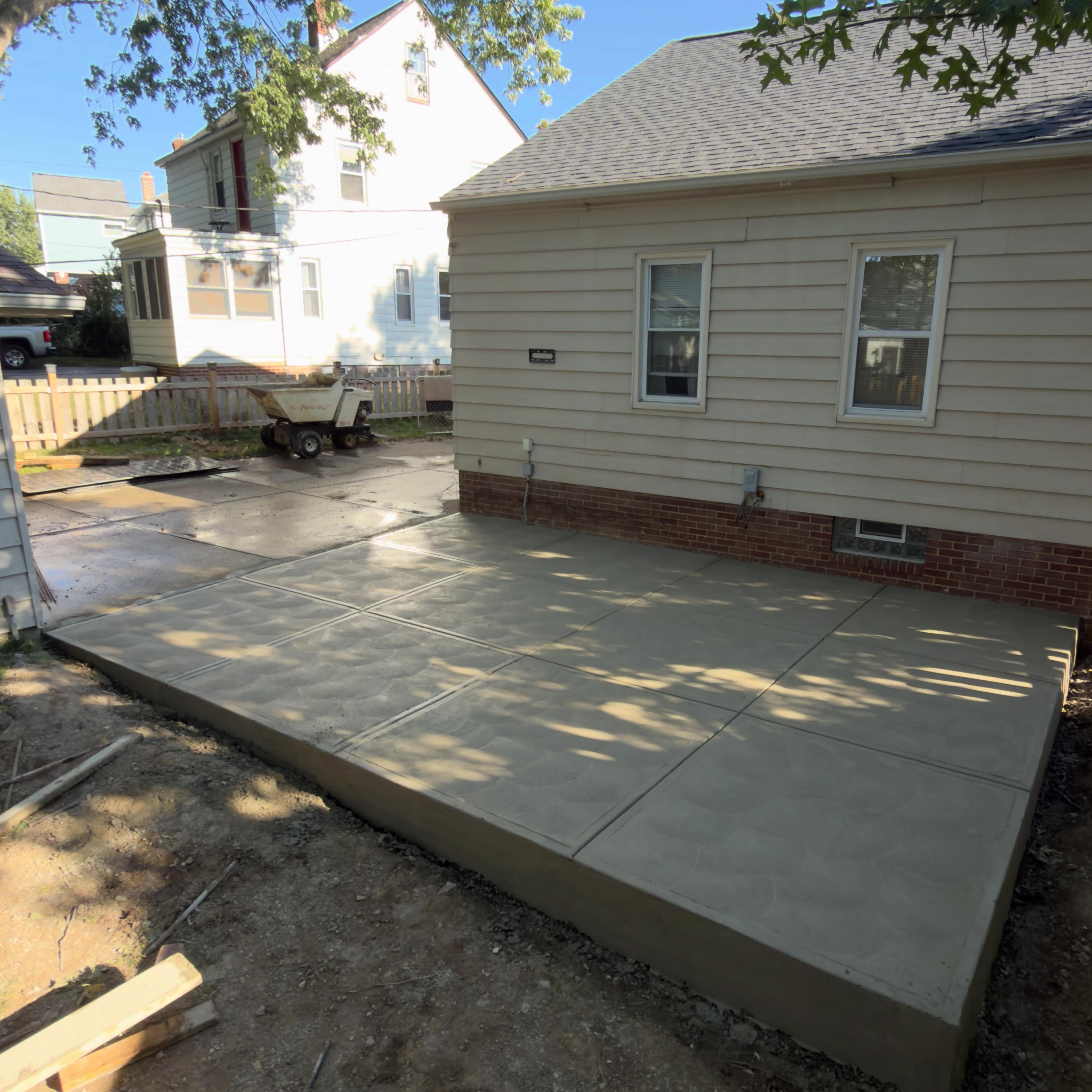
Why does concrete crack, and what do control joints actually do?
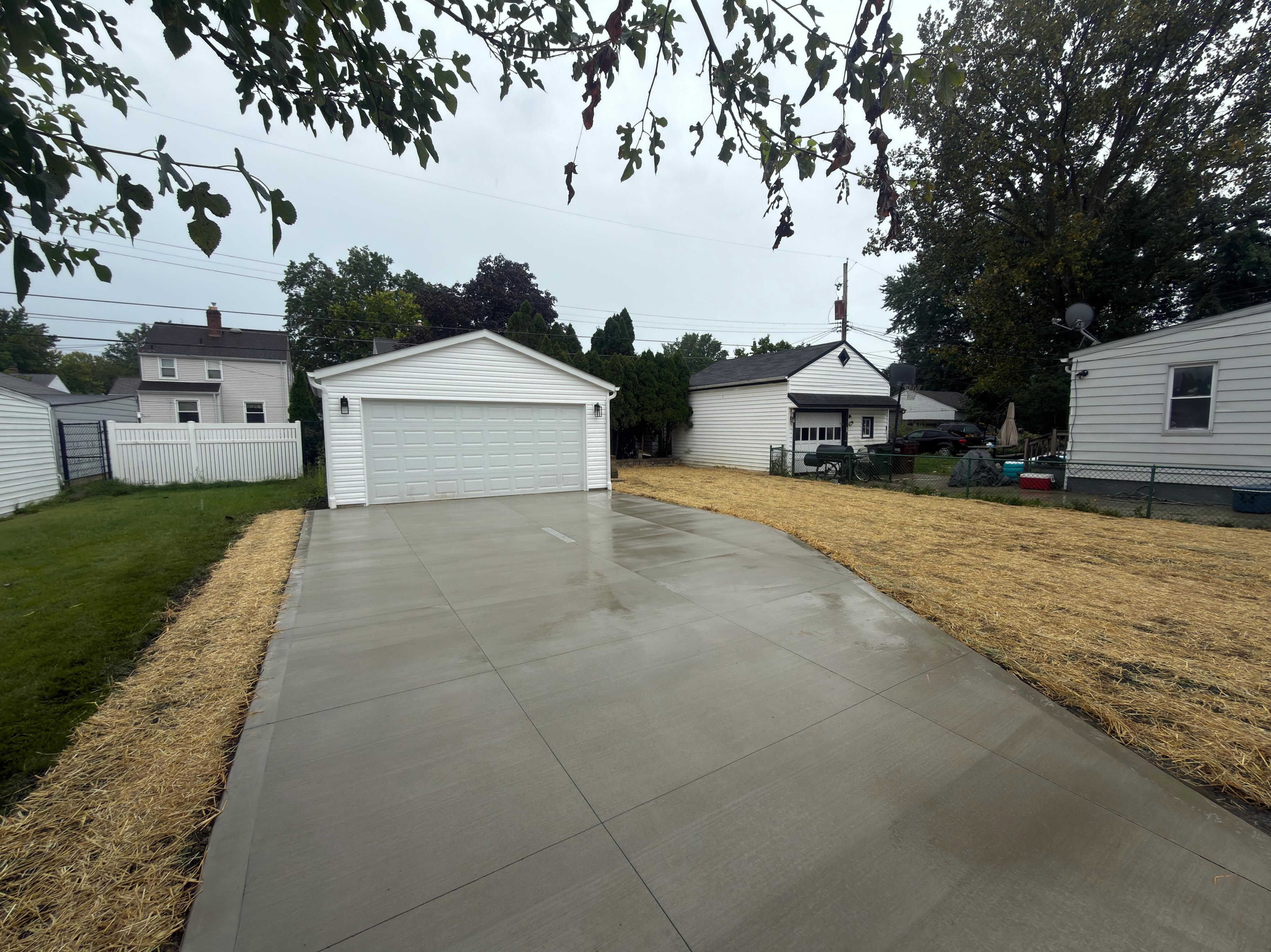
Concrete changes volume as it cures and as temperatures and moisture change. Control joints create intentional weaker lines that encourage shrinkage cracks to form in less noticeable places. They reduce random cracking; they cannot guarantee a crack-free slab.
Read the full guideHow long before I can walk, park, or place heavy items on new concrete?
There is no single safe time for every pour. Concrete gains strength gradually, and temperature, mixture design, thickness, curing protection, and the intended load all matter. Follow the placement contractor’s written schedule for your actual slab instead of using a generic calendar rule.
Read the full guideWhat does Ohio’s 811 process require before excavation?
Underground utility coordination is needed before digging, including on private property. OHIO811 instructs callers to wait two working days, excluding the notification day, weekends, and legal holidays, and to review utility responses before excavation. Elapsed time alone is not clearance to dig.
Read the full guideCan regrading a yard solve standing water or a wet basement?
Grading can help when surface runoff flows toward a low area or the foundation. It does not correct every groundwater, plumbing, sewer, or foundation-entry problem. The water source and a suitable, permitted outlet must be identified before soil is moved.
Read the full guideWhat is the difference between interior drainage and exterior waterproofing?
Exterior work addresses water at the outside of the foundation and may include excavation, wall treatment, and drainage. Interior drainage collects water that reaches the inside and routes it to a discharge system. They manage different parts of the pathway and are not interchangeable labels.
Read the full guideDo I need a sump pump, a French drain, or both?
A drain collects and conveys water; a sump pump lifts collected water to a discharge point when gravity alone cannot do the job. Neither is a universal requirement. The source, collection layout, available outlet, power needs, maintenance, and local discharge rules determine the appropriate combination.
Read the full guideWhich drain symptoms point toward a main sewer line problem?
Recurring backups, several fixtures draining slowly at once, gurgling, or sewage at a low-level drain can warrant main-line investigation. One slow fixture can have a local blockage. Symptoms suggest where to investigate but cannot establish the pipe’s condition or repair method.
Read the full guideDo tree roots in a sewer line mean the whole pipe needs replacement?
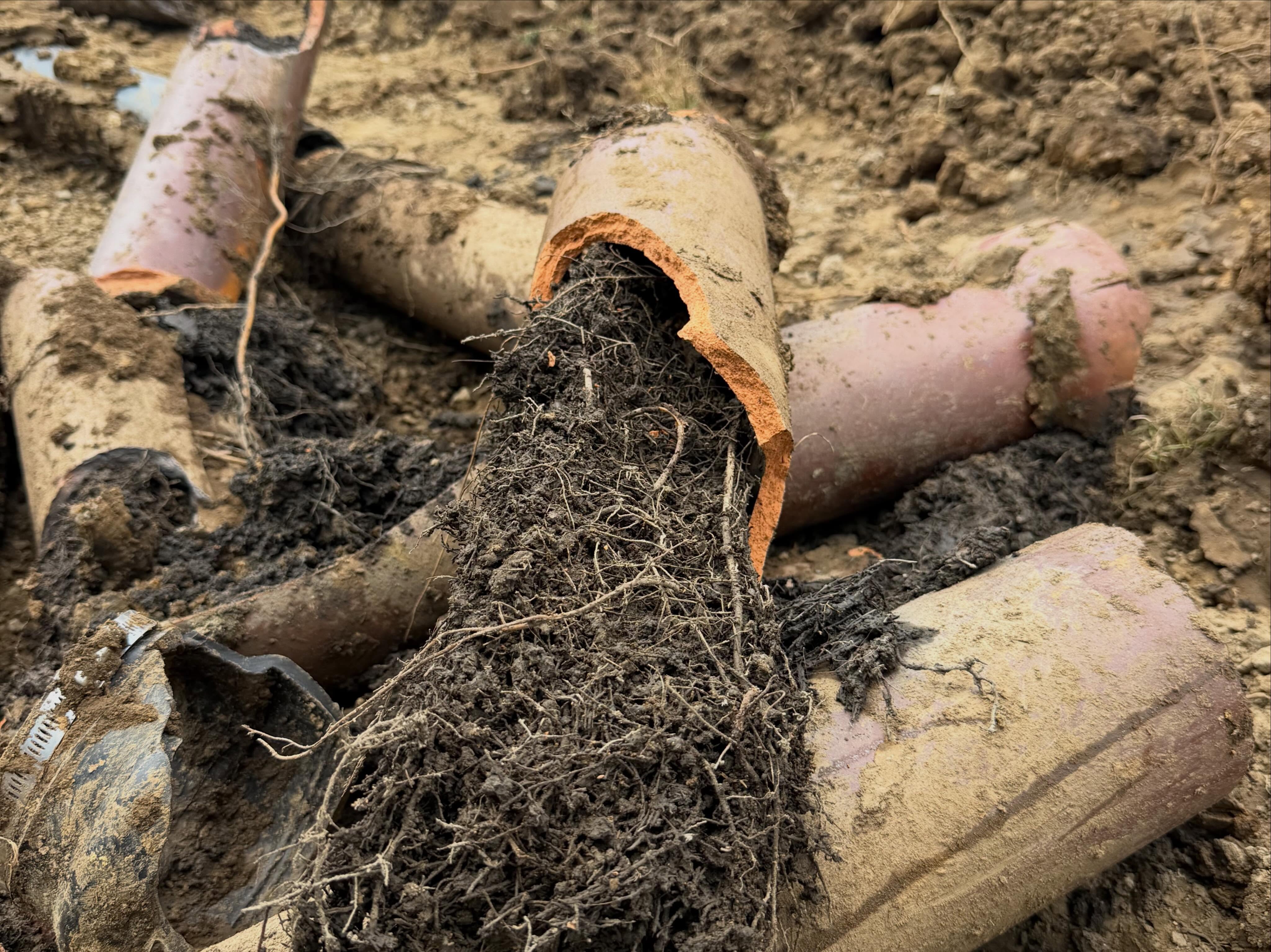
Not automatically. Roots enter through openings such as deteriorated joints or defects, so removing them may restore flow without correcting the entry point. Recurrence, pipe condition, alignment, and the extent of damage determine whether cleaning, localized repair, or replacement is appropriate.
Read the full guideWhenever you're ready
Let's explore your ideas.
Whether you have a question or a project in mind, we'd love to hear about it.